
.png)


.png)
Rat & rodent control built around Tsawwassen properties
Tsawwassen properties often combine ocean exposure, mature landscaping, and irrigation, perfect for spider webs and wasp nests near eaves, decks, and play areas. We emphasize exterior work first, then interior only if needed, so you get control without unnecessary indoor treatments.
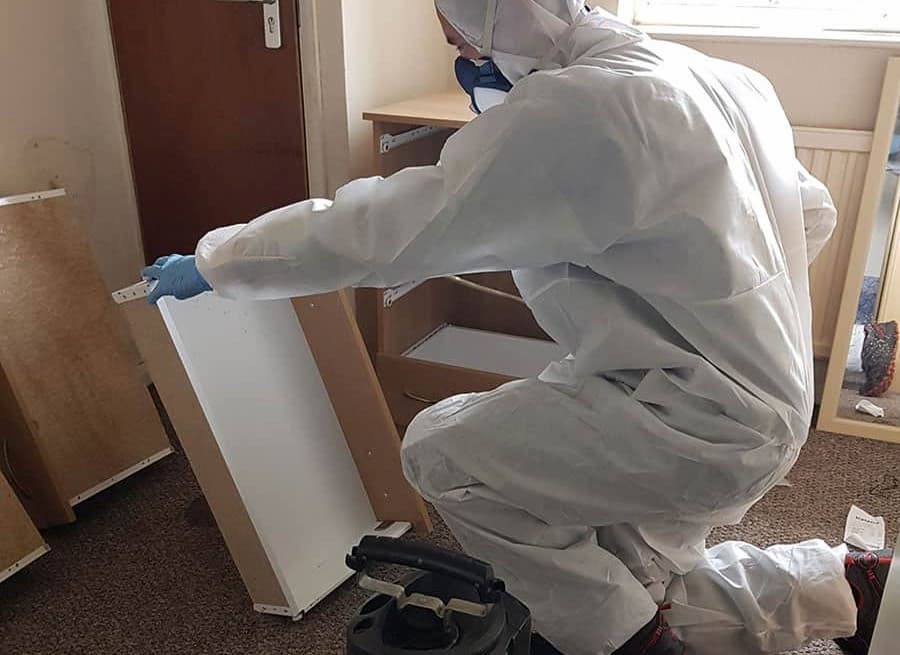
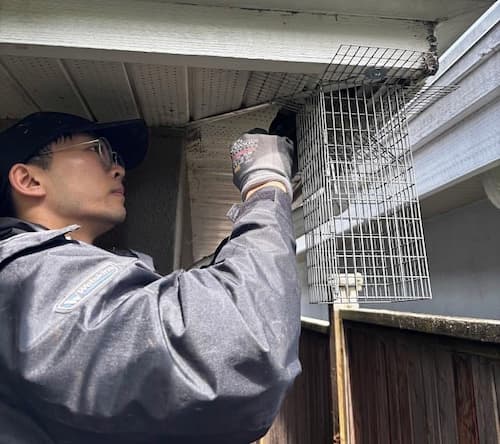
Rodents chew wiring, contaminate food, and keep households awake. Our specialists build an IPM plan around inspection first, then the control tools that fit what we find: snap trapping along walls and runways for immediate knockdown; food bait (blocks and secured stations) for sustained pressure outdoors and in protected placements; and liquid bait when rodents are avoiding traditional traps or stations.
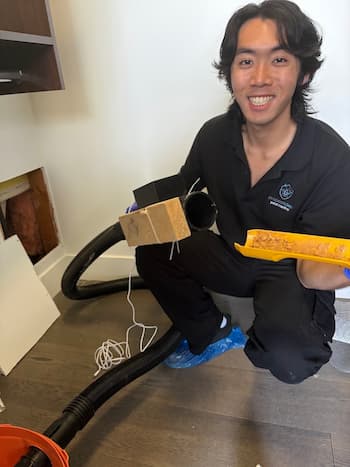
Where the layout suits it, we may also use the Rat Vac motion-sensor system with a wet/dry vacuum for live capture along travel paths—especially for wary animals that sidestep ordinary traps. Every plan still ends with exclusion and follow-up, not a one-off catch.
Roof rats, Norway rats, and house mice use different routes: rooflines, utility penetrations, garage doors, floor drains, and overgrown perimeters. We look for droppings, gnaw marks, grease rubs, and burrows, then sequence control so you are not only removing individuals while the population rebounds.
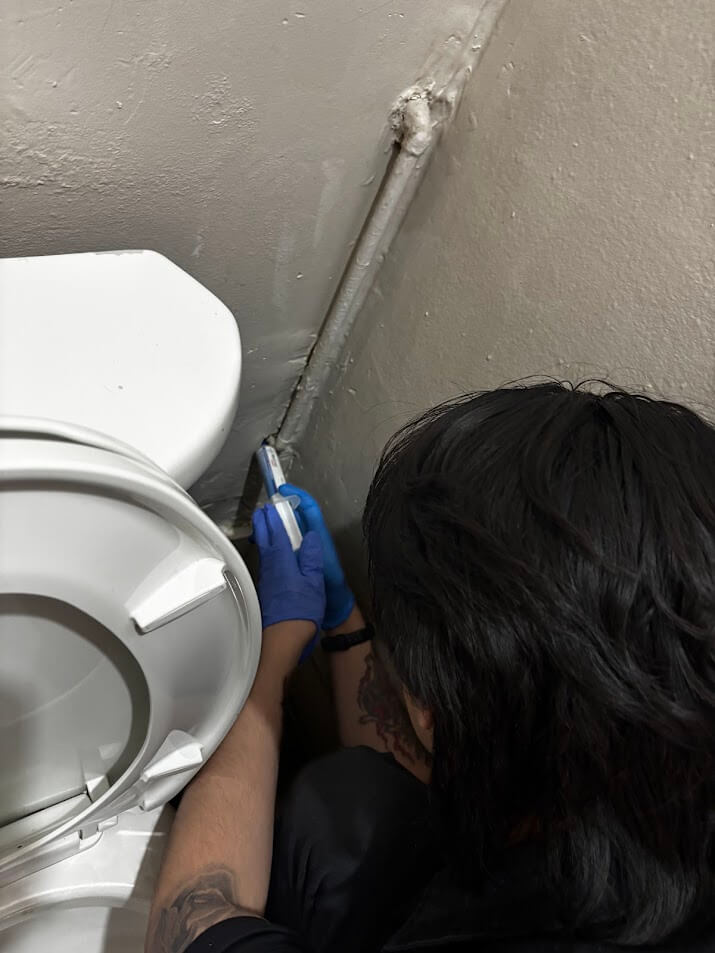
For thorough proofing, add our plumbing smoke test ($125). We introduce smoke into plumbing and connected pathways to reveal unseen openings—gaps at pipe sleeves, under slabs, and in voids—so every hole that shows up can be patched, including the ones you would never find by eye alone.
Our sequence stays intentional: inspect inside and outside, close accessible exterior entry points, trap and bait what remains indoors, confirm the home is clear, then monitor outside so renewed activity is stopped before it becomes another indoor problem.
What we handle in Tsawwassen
- Norway rats and roof rats
- House mice and field mice
- Snap trapping along kitchens, attics, and wall runs
- Food bait and liquid bait programs
- Plumbing smoke testing for hidden entry points
- Entry point sealing and exclusion
- Sanitation and cleanup guidance
- Prevention and exterior monitoring
Neighbourhood coverage
We serve Tsawwassen Boundary Bay, Pebble Hill, Cliff Drive and surrounding Tsawwassen neighbourhoods. If your property is outside these examples, call and we will confirm the nearest technician route.
Local notes for Tsawwassen
Exterior-first pest control
Many issues start outside. We focus on eaves, soffits, door thresholds, and vegetation contact points, then confirm interior only if activity persists.
Family- and pet-aware applications
We place products where labels allow and explain re-entry windows clearly so patios and yards stay usable.
Seasonal pressure
Late summer wasp aggression and fall spider activity are predictable. We help you time service before peak nuisance, not after stings or heavy web build-up.
Why Tsawwassen chooses us
Vancouver’s rodent pressure is year-round. We match the method to the site—snap traps indoors, food or liquid bait where animals are trap-shy, and smoke-tested proofing so rodents cannot keep using hidden pipe and void routes.
How service usually works
- 1
Inspect inside and outside
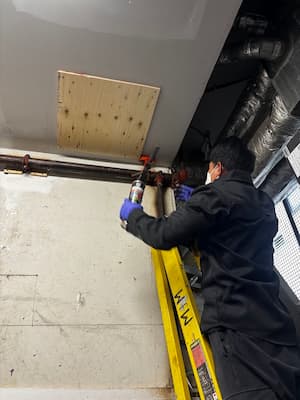
We identify the species, map droppings and gnaw marks, check nesting areas, and trace how rodents move between the exterior, plumbing penetrations, and the home. Our inspections use motion sensor cameras, a borescope, and a thermal camera to locate pest activity in voids, wall cavities, attics, and rooflines that a visual walkthrough alone can miss.
- 2
Choose the right control tools
We set professional snap traps on confirmed runways, place food bait in tamper-resistant stations where appropriate, and use liquid bait when rodents are trap-shy or pressure is high—always with pet- and family-aware placements.
- 3
Exclude—and smoke-test when needed
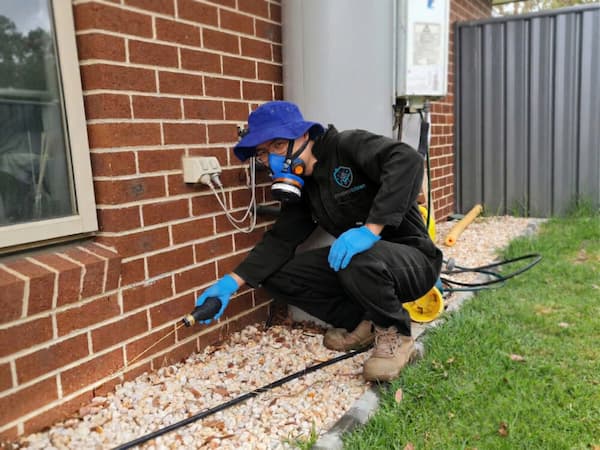
We close accessible openings around foundations, roofs, vents, garage doors, and utility lines. Add the $125 plumbing smoke test to reveal hidden pipe and void pathways so unseen holes get patched too.
- 4
Confirm the home is clear
We revisit activity points, adjust traps and bait, and look for fresh signs until there is no ongoing rodent activity inside the home.
- 5
Monitor outside
Exterior stations and monitoring around travel routes help find renewed activity outside before rodents make it back indoors.